
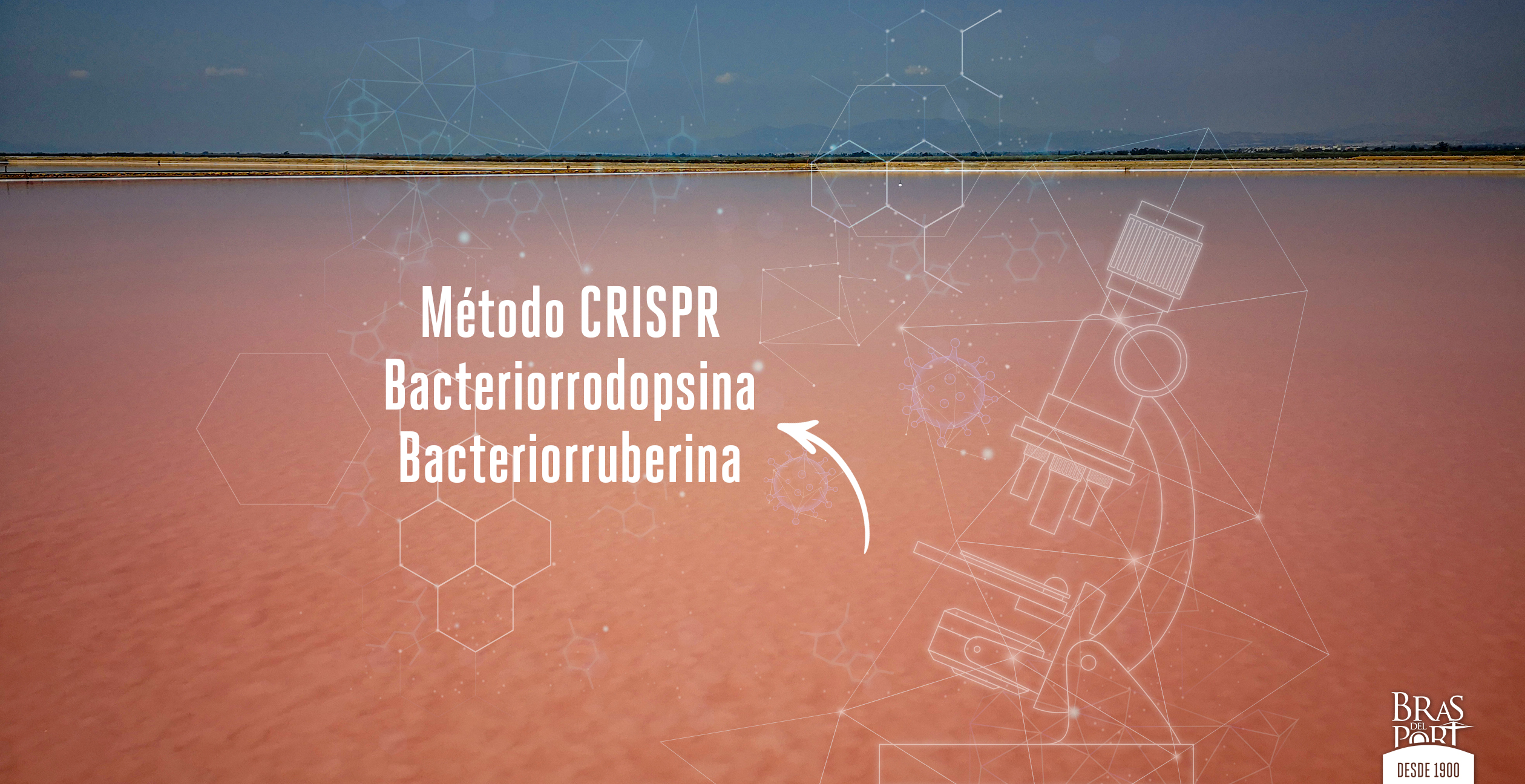
Science from Bras del Port: Bacterioruberin against Leukaemia

The centuries-old Bras del Port Saltworks, a vital ecosystem on the Mediterranean coast, are once again in the spotlight of scientific innovation. A recent study published in Scientific Reports has revealed the promising potential of bacterioruberin, a pigment derived from a microorganism called Haloferax mediterranei, in the fight against myeloid leukaemia. This breakthrough underlines the importance of preserving and studying unique natural environments like our saltworks, which act as authentic biological laboratories. The Origin of the Research: The Bras del Port Connection The research highlights that the Haloferax mediterranei strain used in this pioneering study has its roots in samples taken from the Bras del Port Saltworks, as this halophilic archaea (organisms that need high salinity environments to live) resides in the lagoons of our saltworks. This fact fills us with satisfaction, as it confirms the value of our environment not only for the production of high-quality sea salt but also as an invaluable source of microbial biodiversity with biotechnological and biomedical applications. Key Advances in the Fight Against Leukaemia The study, led by a multidisciplinary team, has shown that bacterioruberin-rich carotenoid extract (BRCE) from Haloferax mediterranei is capable of inducing apoptosis (programmed cell death) and arresting the cell cycle [...]

2025-07-03T17:09:05+02:003 July, 2025|Science and technology|Comments Off on Science from Bras del Port: Bacterioruberin against Leukaemia

Salinas Bras del Port: An ecosystem of enormous interest for science

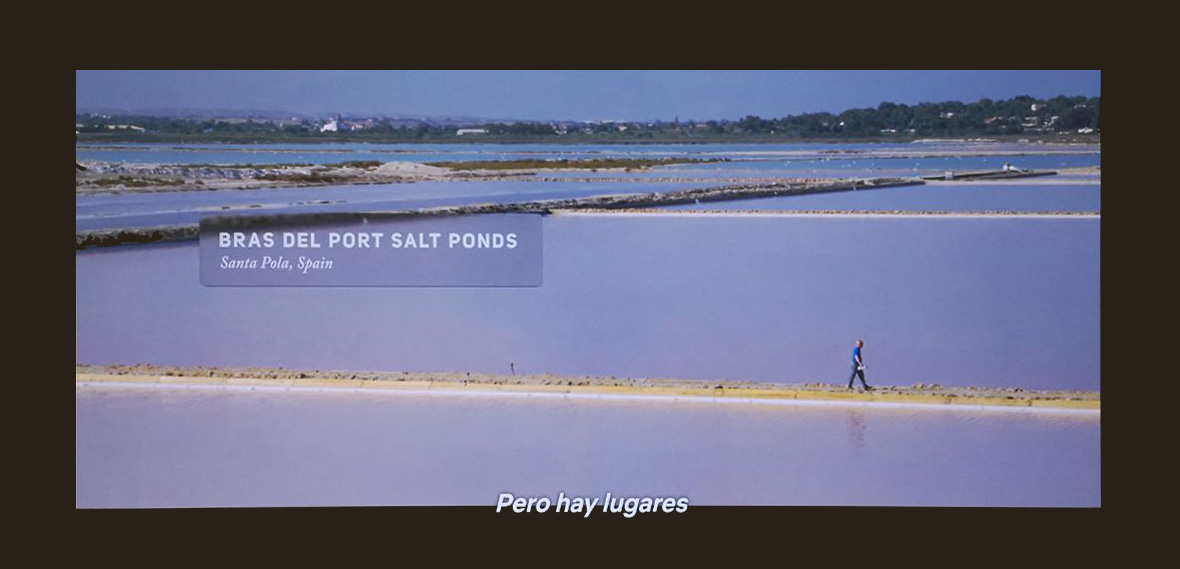
Perhaps you have heard of the CRISPR method or have recently read about the discovery of an anti-tumor pigment. What do these two scientific breakthroughs have in common? Both have arisen from the waters of Bras del Port, a hundred-year-old sea saltworks nestled in the Salinas de Santa Pola Natural Park (Alicante). The microscopic life of the sea saltworks The coastal salt pans are salty wetlands rich in biodiversity that are the ideal home for hundreds of species. Bras del Port is an example of salt mining where the work of man coexists in harmony with nature in a unique symbiosis where both help each other. Although flamingos are the best-known inhabitants of these natural settings, microscopic life is also present and holds secrets that science is trying to unravel. Examples of this are halophilic microorganisms (organisms that live in extremely saline environments) and, more specifically, haloarchaea, such as the species known scientifically by the name of Haloferax mediterranei, which has been the subject of numerous investigations. The CRISPR method of gene editing The microbiologist from Elche, Francis Mojica, from the University of Alicante (UA), discovered in 2005 some repetitive sequences in the DNA of Haloferax mediterranei and coined the [...]
2023-07-18T13:37:27+02:0018 July, 2023|History, Science and technology|Comments Off on Salinas Bras del Port: An ecosystem of enormous interest for science
Go to Top